Best Pokies in Sydney: What Listings Can Confirm
 Available in AU
A location can narrow the search, but venue details, public access and operating hours require separate confirmation.
- Finding Pokies Near Sydney: Location Is Not a Guarantee
- Online Pokies and the Limits of Australian Protection
- When Sydney Pokies Are Open—and What the Search Results Cannot Confirm
- What “Best Paying” Can—and Cannot—Tell You
- Pokies Around Sydney Airport and North Sydney
- Crown Sydney: What Can Be Stated Without Guessing
- Sydney Pokies Venues and Their Operating Responsibilities
- Why “24-Hour Pokies” Needs a Venue-by-Venue Check
- Pokies in the Sydney CBD: Clubs and Local Claims
- Sydney Searches, Parkes Results, and the Limits of the Evidence
Finding Pokies Near Sydney: Location Is Not a Guarantee
“Near Sydney” sounds like a useful filter, but it answers only a geographical question. A pin on a map can indicate that a venue is in or around a chosen area; it does not establish what is inside, whether pokies are available to the public, or whether the listing is current. Those are separate checks.
I learned to separate the map from the product. A venue may appear close because a map groups places under a broad area name or measures distance from a point that is not where someone is standing. A result described as being near Sydney could be in a neighbouring suburb, a farther-out centre, or simply somewhere within the map’s selected boundary. “Near” has no fixed radius unless one is specified.
That matters when the wording is more specific than the geography. Someone looking for pokies around Sydney may have in mind a particular suburb, a route across town, or a place within walking distance. A broad label cannot settle which one. Even when the address is clear, proximity says nothing about whether the venue has the kind of facilities being sought. A location is a lead, not an inventory.
The same distinction applies to places listed as near a station or another landmark. A map may measure straight-line distance, while an actual trip follows streets, crossings, and entrances. Two pins that look close on a screen can feel quite different on foot. If the destination matters, the address and route deserve more weight than the broad label attached to it.
I would read a nearby-venue listing in layers. First, confirm that its address is in the intended part of Sydney. Next, check the venue’s own description for a clear statement about its facilities. If that description is silent or vague, the map does not fill the gap. A category tag can be broad, out of date, or attached to a whole venue rather than to a specific room or service.
There is a useful distinction between “pokies near me” and “a venue with pokies near me.” The first can return places that are geographically close but not necessarily relevant to the actual need. The second still depends on the venue having stated, current information. Neither wording makes a nearby listing proof of access or availability.
Sydney’s size makes this easy to misread. A result may be within the wider metropolitan area yet inconvenient from another side of the city. A place that looks central on a regional map can be a substantial trip from a particular neighbourhood. The map’s frame is not the same as a person’s practical idea of nearby.
There is also a small but important difference between an address and a promise. An address anchors a venue to a place. It does not guarantee that a particular machine is present, that a room is open to the public, or that the venue’s details have been updated. Those claims need to come from information about the venue itself, not from its distance from a selected point.
For online pokies, the word “near” does not describe physical proximity in the same way. A location-based result may be about an organisation or place, not a nearby room where online play takes place. That distinction is worth keeping clear rather than treating every result with “Sydney” in its description as a local venue. The online rules are a separate matter.
A final boundary is age. In Australia, gambling, including online pokies, is for people aged eighteen and over. That does not make a nearby pin more informative; it is simply a basic condition that applies regardless of distance.
In practice, the soundest reading is modest: a nearby result can help identify where to investigate, but it cannot verify what a venue offers. The map gives a starting point. Nothing more.
Online Pokies and the Limits of Australian Protection
A Sydney resident can encounter websites presenting real-money pokies as available online, but availability on a screen is not evidence that the service is lawful in Australia. The Interactive Gambling Act 2001 prohibits operators from providing real-money online casino games to people in Australia without a domestic licence. No such licences have been issued, so there is no Australian-licensed online casino.
Legal Risk
Real-money online casino games provided without a domestic licence are prohibited under the Interactive Gambling Act 2001, and there are no Australian-licensed online casinos.
That distinction matters when a site uses familiar language about Sydney, cashless play, high limits or a welcome bonus. A local reference or payment option does not turn an offshore service into a locally licensed one. Nor does wording about “no deposit” change the legal status of real-money play. The legal test concerns the service being provided to people in Australia, not the promotional label attached to it.
The law’s focus is the operator, not the individual player. Australians are not made criminally liable simply for playing on an offshore site that accepts them, and some such sites may remain reachable despite restrictions. This is not the same as Australian approval or protection. The Australian Communications and Media Authority can block access to illegal offshore gambling sites, with internet providers required to follow its blocklist. A site appearing online at one moment is no assurance that access will remain available.
In practical terms, “online pokies near Sydney” has no meaningful geographic equivalent to a nearby club. An online operator may be based overseas, and a website’s Sydney-facing wording does not establish a local presence or a local regulator able to resolve disputes. I have seen how “Australian players welcome” can sound like a promise of protection. It is not. The operator’s willingness to take a customer and the Australian lawfulness of the service are separate questions.
The sharpest risk appears when a dispute concerns a withdrawal. If an offshore casino refuses to pay winnings, Australian players have no legal recourse in Australia against that operator. That is a different position from dealing with a business under a domestic casino-licensing system. A site may publish rules, identity checks and customer-service procedures, but those arrangements do not create an Australian avenue for enforcing a payout.
Identity verification is another point where expectations can be mistaken for protection. Before a first withdrawal, users should expect to verify identity and provide proof of address. Completing those checks may satisfy the operator’s own process; it does not make the site Australian-licensed or guarantee that a withdrawal will be paid. The distinction is plain. Paperwork is not local oversight.
BetStop also has a defined boundary: it applies to Australian-licensed operators and does not bind offshore sites. Someone who has self-excluded through BetStop should not assume that an offshore website will recognise that exclusion. An exclusion system’s name can sound comprehensive, but its reach depends on which operators are covered.
I would not treat the absence of a player penalty as a safety endorsement. It means the law places the prohibition on the companies providing the service, not that a customer gains the protections available in a regulated local market. In the same way, the ability to access an offshore site does not promise stable access, enforceable terms or an Australian remedy if money is withheld.
No Legal Recourse
If an offshore casino refuses to pay winnings, Australian players have no legal recourse in Australia against that operator.
The practical conclusion is narrow but important: real-money online pokies offered to people in Australia are not supplied by an Australian-licensed casino, while an individual player is not criminally liable merely for using an offshore site. Those statements can both be true. They describe different sides of the arrangement—and leave the player exposed when the operator is beyond Australian recourse.
When Sydney Pokies Are Open—and What the Search Results Cannot Confirm
A result saying that pokies are open early in Sydney is a lead, not a timetable. The wording can describe a broad area, repeat an old listing or refer to a venue whose general opening hours differ from access to its gaming room. Those are separate details. A result can look precise while leaving the important question unanswered: when can pokies actually be played at that venue?
That distinction matters for searches about six or seven in the morning. Seeing those times attached to a Sydney listing does not establish that the machines are operating then. Nor does a venue’s advertised opening time, by itself, confirm that every part of the premises is accessible throughout the day. Opening information needs to relate to the specific venue and the specific facility in question.
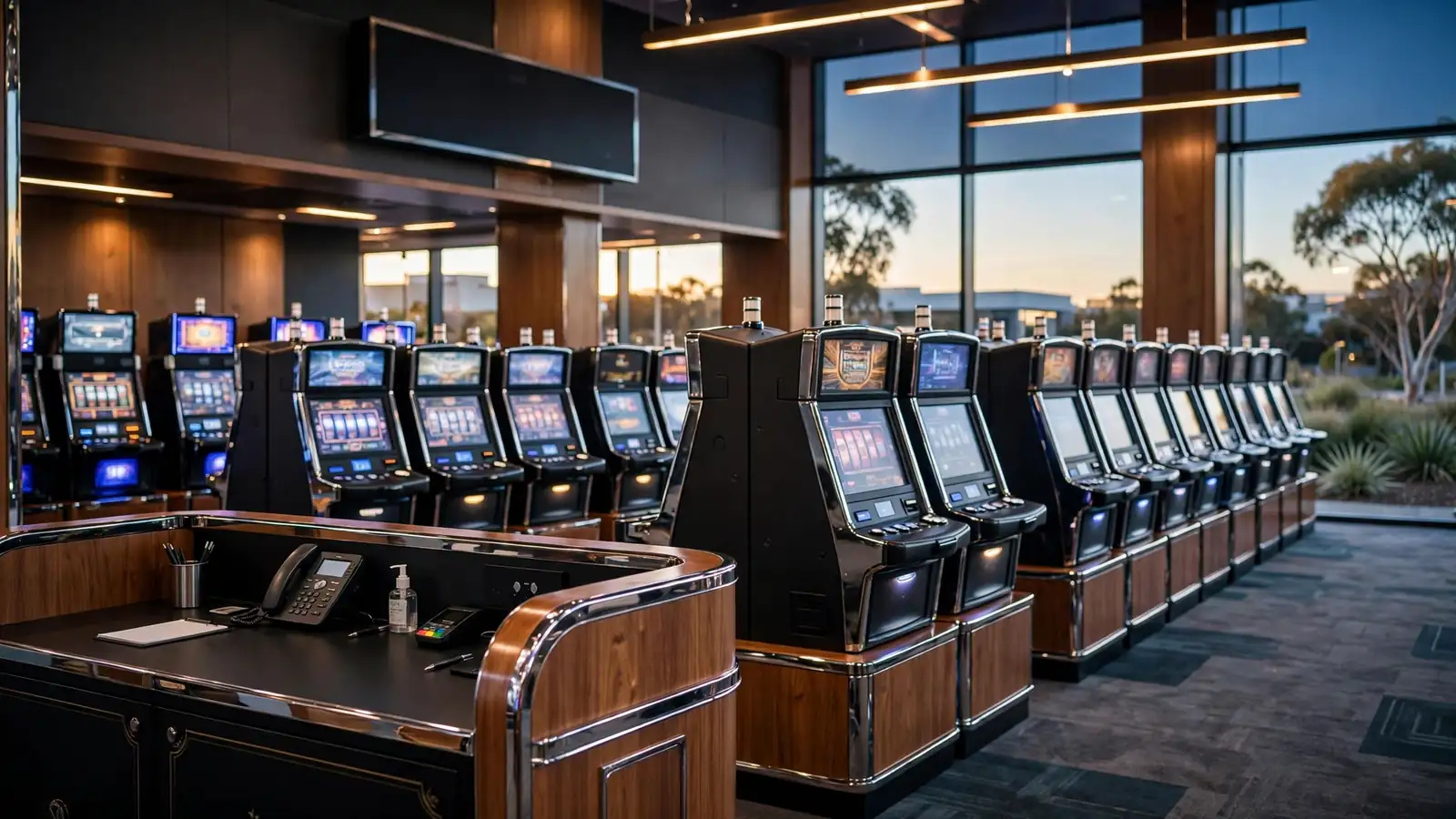
I have seen how a neat label can do too much work. “Open early” sounds like a confirmed operating schedule, but it may only be a phrase used to describe the venue. The detail that changes the decision is not the label; it is the venue’s own current information about gaming-room access. If that detail is not stated, the time remains uncertain.
The same caution applies to claims that pokies run late, including references to play continuing until the early hours. A result that mentions late opening is not proof of a particular closing time, and a general hospitality listing is not necessarily a schedule for the machines. Hours can also be presented differently across directory pages, venue pages and other listings. When they conflict, the venue’s direct, current information is the more useful place to check.
A hotel listing creates the same distinction. The word “hotel” identifies a type of venue; it does not establish the hours of its pokies. Even where the premises are open, the relevant question is whether the gaming area is operating at that time. I would keep those two details separate rather than treating one as evidence for the other. Small distinction. Practical consequence.
A venue’s advertised opening time does not necessarily confirm that the gaming room is accessible throughout the entire duration of the premises’ operating hours.
There is also a staffing rule tied to machine operation, not to a particular opening hour. A report by regionriverina.com.au describes a requirement taking effect from 1 July: venues with more than 20 gaming machines are to have a dedicated Responsible Gambling Officer (RGO) on duty whenever those machines are operating. That rule concerns oversight during operation. It does not set a morning start time, extend a venue’s hours or confirm that any Sydney venue is open at a particular time.
This is where two different questions are often folded together. One asks when a venue opens; the other asks what arrangements apply while its machines are running. The RGO requirement answers the second for venues above the stated machine threshold. It cannot be used to infer the answer to the first. A staffing condition is not an opening-hours notice.
For anyone comparing early-opening claims, the useful check is a current statement from the venue that specifically covers pokies or the gaming area, rather than a generic label or a copied time. If no such detail is provided, it is more accurate to treat the hours as unconfirmed than to assume that the machines follow the venue’s general schedule. That is a modest distinction, but it prevents a search result from being mistaken for a promise.
What “Best Paying” Can—and Cannot—Tell You
For Sydney players exploring pokies in 2026, a short list can help focus the search. Use each entry’s available details as a starting point when deciding what to look into further.
Payout speed: crypto 30-120 minutes, fiat 24-72 hours · Min. deposit: A$30 MrPacho lists crypto payouts at 30–120 minutes and fiat payouts at 24–72 hours. The minimum deposit is A$30.
License: Curacao eGaming (Hollycorn N.V., since 2017) · Min. deposit: A$20-30 (depends on the offer) Playfina Casino is licensed by Curacao eGaming under Hollycorn N.V., with the license in place since 2017. Its minimum deposit is A$20–30, depending on the offer.
License: Curacao Gaming Control Board OGL/2023/174/0082 (Dama N.V.) SpinsUp is licensed by the Curacao Gaming Control Board under OGL/2023/174/0082, held by Dama N.V.
License: Curacao Gaming Control Board JustCasino is licensed by the Curacao Gaming Control Board.
License: Curacao eGaming OGL/2024/923/0383 (Antillephone N.V.) · Min. deposit: A$30 WinSpirit Casino holds Curacao eGaming license OGL/2024/923/0383 through Antillephone N.V. Its minimum deposit is A$30.
License: Curacao eGaming (Roby Games Ltd) Roby Casino is licensed by Curacao eGaming, with Roby Games Ltd named as the license holder.
License: Curacao Gaming Control Board (TechSolutions Group N.V.) Bizzo Casino is licensed by the Curacao Gaming Control Board, with TechSolutions Group N.V. named in the licensing details.
License: Curacao · Min. deposit: A$20 (POLi) Lucky Dreams lists a minimum deposit of A$20 via POLi. It is licensed in Curacao.
License: Curacao · Payout speed: crypto 30-60 minutes, fiat 1-5 days · Min. deposit: A$10 Wild Tokyo lists crypto payouts at 30–60 minutes and fiat payouts at 1–5 days. Its minimum deposit is A$10, and it is licensed in Curacao.
License: Curacao – Antillephone N.V. (Versus Odds B.V.) · Min. deposit: EUR 20 Thor Casino is licensed in Curacao through Antillephone N.V. (Versus Odds B.V.). Its stated minimum deposit is EUR 20.
“Best paying” sounds like a fixed property of a pokie. In practice, a return figure needs context: it describes a theoretical outcome across a very large number of plays, not what a particular session will return. It cannot identify a machine that will pay more on the next spin, or guarantee that a player will recover a particular share of their stakes.
There is another complication. A specialist review reports that some game providers let casinos choose between different return-to-player settings for the same pokie. If that applies, the title alone does not establish which setting is in use at a particular venue. The same game could therefore carry different theoretical return percentages in different casinos. A figure attached to a game name, without identifying its setting and where it applies, is not enough to support a reliable comparison.
The mechanics of a single play are separate from that long-run calculation. A Random Number Generator determines each spin independently. Previous losses do not make a win due, and a recent run of wins does not make the next result less likely to pay. Patterns visible across a short session are not evidence that the machine has changed its behaviour.
That distinction matters when assessing claims about the best-paying pokies in Sydney. A ranking would need comparable return settings for the games being compared and a clear basis for saying those settings apply to the relevant machines. Without that, “best” is a sales description, not a conclusion that can be checked from the game title or a venue’s name.
The same caution applies when comparing a pokie in one Sydney casino with one elsewhere. Even matching titles may not mean matching RTP settings; and even matching settings would describe a statistical expectation, not a promised result for an individual. A return percentage is not a payout schedule. It does not say when a return will occur, how large a win will be, or whether a session will finish ahead.
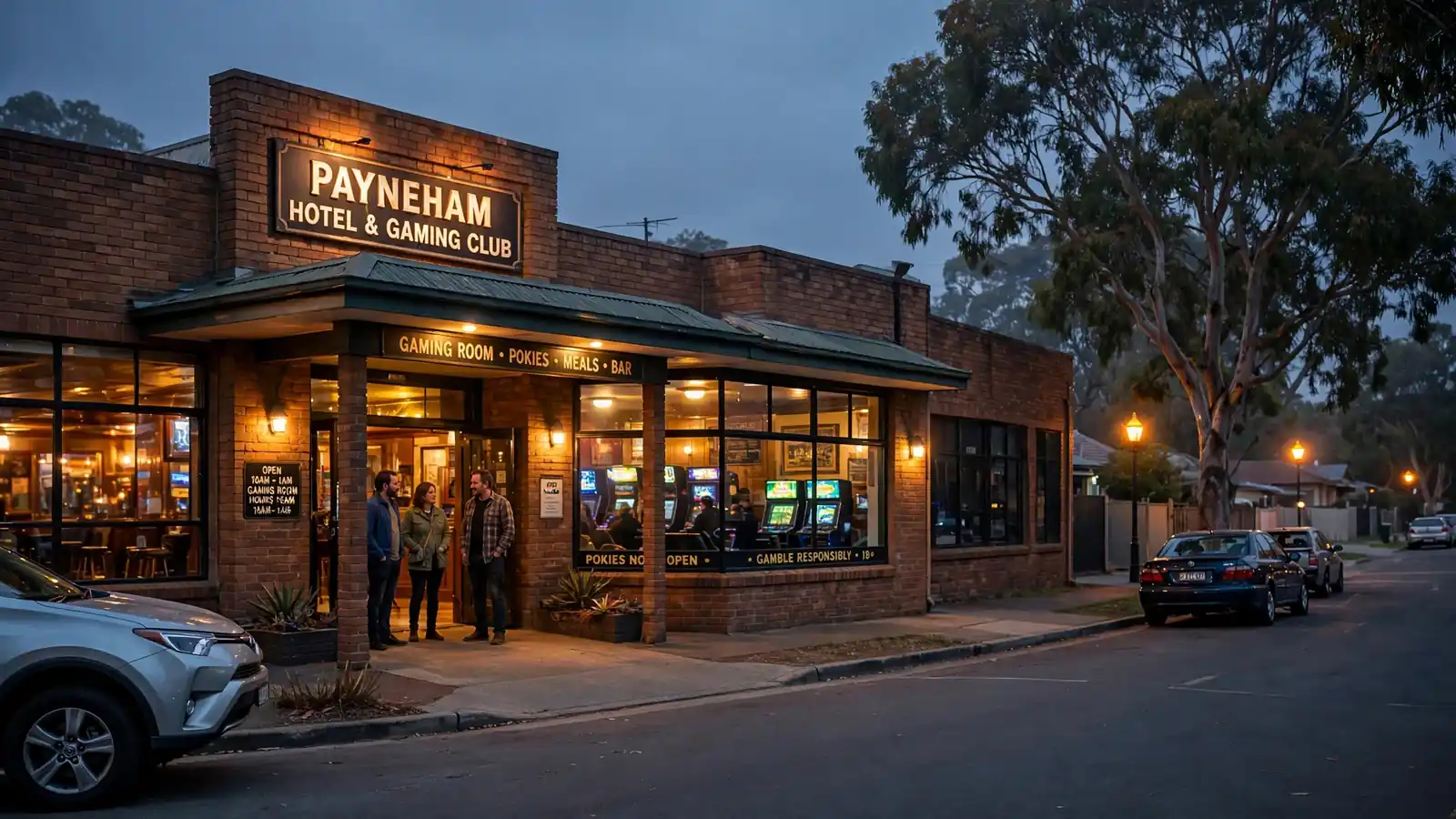
From behind the counter, I learned to separate what a number measures from what a customer may hear it promising. RTP can help describe a game configuration when the setting is known. It cannot tell a player which machine will pay best today. Random outcomes remain random.
So a claim about “best paying” is only as useful as its evidence: the specified setting, its applicability to the machine being discussed, and a fair comparison with alternatives. A broad label without those details cannot establish which pokies pay more in Sydney or the CBD. No ranking follows from the wording alone.
Pokies Around Sydney Airport and North Sydney
A place name narrows a venue search; it does not establish what is inside. A result associated with Sydney Airport may refer to an address in the surrounding area rather than a machine on airport premises. The distinction matters: “near the airport” and “inside the airport” are different claims, and a map pin or listing title cannot settle which one is meant.
I treat airport-related listings as leads, not confirmation of pokies availability. The same applies to North Sydney. A venue’s location in North Sydney does not, by itself, show that it has pokies, and a general reference to pokies in the area is not a venue-level answer. The practical check is whether the specific venue confirms the machines are available there. No leap from postcode to inventory.
That is narrower than looking broadly for pokies near Sydney. Here, the geography is the point: the airport precinct, North Sydney and, in some searches, Sydney city. Those labels can be useful for sorting places, but they are not evidence of a machine, a payout feature or a particular venue arrangement. I have seen location do too much work in a listing headline. The headline is not the premises.
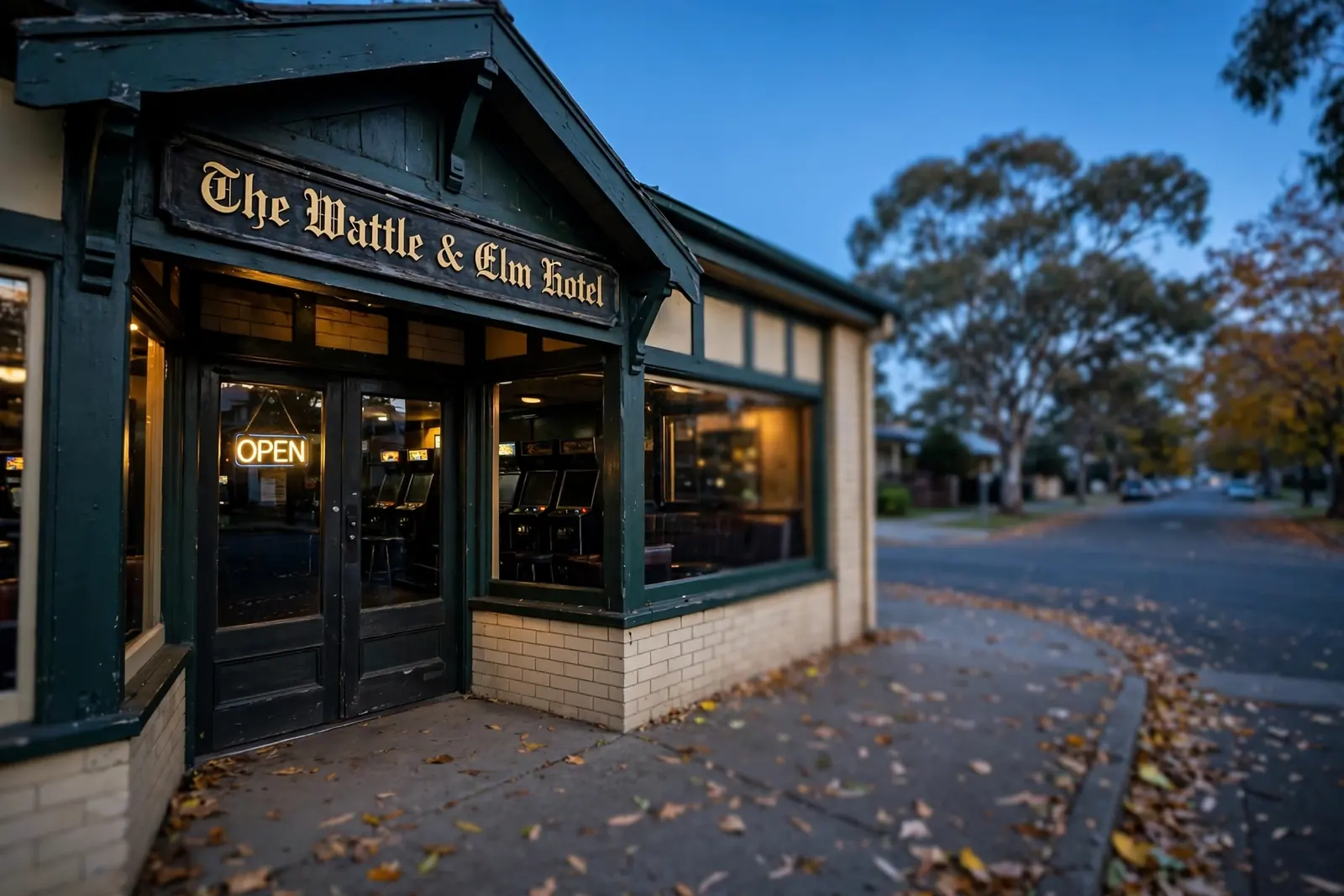
“Maximum cash payout” needs the same discipline. A location-based result cannot establish a maximum payout for pokies in Sydney, at the airport or in North Sydney. Nor does a phrase attached to a venue prove that the same payout applies across machines. Without a specific machine and its stated rules, a single city-wide figure would be guesswork. The word “maximum” sounds definite. The detail behind it may not be.
For Sydney Airport, the useful distinction is between a venue that is genuinely at the airport and one described as nearby. For North Sydney, it is between an identified venue and a broad suburb-level mention. If the wording does not make that distinction clear, the result has not answered the location question. That is a modest conclusion, but a reliable one.
Age is the one clear baseline for gambling in Australia: the legal minimum is 18. Beyond that, proximity and availability are separate matters. A map can help identify where to ask; it cannot confirm the answer on its own.
Crown Sydney: What Can Be Stated Without Guessing
Crown Sydney is a name people associate with a casino, but that association does not establish which pokies are available there, whether a particular machine is on the floor, or what its settings are. I keep those questions separate from what a venue’s name suggests. A claim about a specific pokie needs venue-specific evidence; familiarity with the brand is not a substitute.
That distinction matters because descriptions can slide from a broad label into a concrete promise. “Pokies at Crown” may sound like confirmation of a particular game or room, when it could simply be shorthand for an assumption about the venue. The wording tells little about the machines themselves. It does not identify a title, confirm availability, or establish a return setting.
Attention: A venue name identifies the subject of a claim but does not verify the availability or settings of specific pokie machines.
I have seen how easily a confident-sounding description can acquire authority through repetition. A name appears beside a game, then another page repeats the pairing, and soon the association reads like a checked detail. It may still be only an assumption. No shortcut. Specific claims need specific support.
The word “best” needs similar care. It can suggest a ranking, but without a stated basis and evidence, it does not tell whether a comparison concerns the room, the range of games, or some measurable feature. There is no sound way to turn that label into a conclusion about Crown Sydney’s pokies from the venue name alone. A polished description is not a measurement.
There is also a separate issue that can cause confusion: online gambling and a land-based venue are not the same thing. Australia has no Australian-licensed online casino. That is a statement about online services and their licensing status. It does not establish what machines a physical venue has, or whether any particular pokie is available there. The absence of a domestic online casino licence cannot be used as evidence for or against a land-based machine claim.
I would therefore read claims about Crown Sydney narrowly. A venue name identifies the subject of a claim; it does not verify the claim’s detail. If a description names a particular pokie, attributes a particular setting to it, or promises a “best pokies room”, those are separate assertions and need their own support. Without that support, the honest answer is limited: the name alone cannot confirm the machines, their availability, or their attributes.
Sydney Pokies Venues and Their Operating Responsibilities
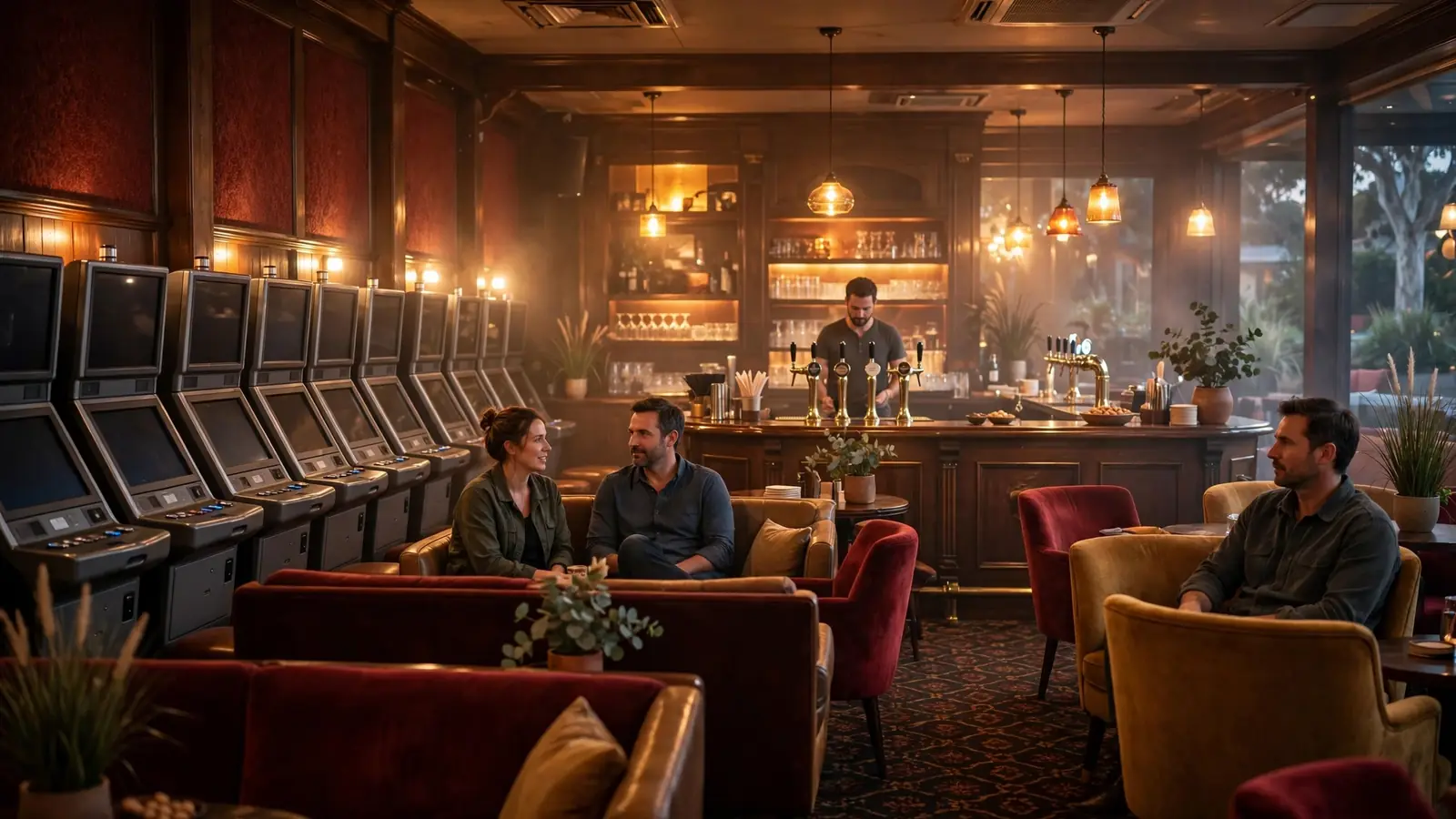
A venue’s reputation and its day-to-day responsibilities are separate matters. The label “best pokies venue” may suggest a ranking based on machines or service, but it says nothing by itself about how a venue handles gambling-related concerns. Operational requirements are more concrete, though they are not a scorecard for comparing venues.
Reporting by regionriverina.com.au describes a requirement taking effect from 1 July: a venue operating more than 20 gaming machines is to have a dedicated responsible gambling officer (RGO) on duty whenever those machines are running. The threshold matters. The requirement is not described as applying to every venue, and it does not establish when any particular venue opens or closes.
The RGO’s presence is tied to machine operation, not simply to a venue’s general business hours. That distinction is easy to lose in a short description. A venue may have other activities or services, but this requirement concerns the period when its gaming machines are operating. It sets a staffing responsibility; it does not certify that a venue has better machines, more favourable returns or a stronger record than another.
There is a second operational measure: venues are to keep a gambling incident register. The report says it is intended to capture details of relevant occurrences, including situations where a patron’s behaviour indicates possible gambling harm or that harm may already be affecting them. In practice, a register turns an incident from an informal observation into something recorded. That gives the venue a documented account rather than leaving the matter solely to memory or conversation.
Operational Requirements
- Venues with over 20 gaming machines must have a dedicated Responsible Gambling Officer on duty during operation.
- Venues are required to maintain a gambling incident register to record potential gambling harm.
- These measures describe operational responsibilities rather than a ranking of venue quality.
A register is not proof that every concern will be recognised, nor does the existence of an RGO guarantee a particular outcome for a patron. Those measures describe responsibilities, not results. From the other side of the counter, that distinction is important: policies can define who must be present and what must be recorded, while the quality of a response depends on how those duties are carried out.
For anyone weighing up Sydney pokies venues, these obligations offer a more grounded point of comparison than promotional language, but they do not identify a “best” venue. They apply to venue operations, not to a ranking of machines or a promise about the experience. Staffing and records. Not a verdict.
Why “24-Hour Pokies” Needs a Venue-by-Venue Check
“Open all day” sounds like a simple claim. In practice, it can blur two different things: when a venue admits customers and when its pokies are available. A listing that gives the venue’s general hours does not, by itself, establish the hours for the gaming area. The distinction matters when the plan depends on playing late at night or arriving before dawn.
I have seen how a broad label can survive after the detail behind it has changed. A directory may carry an old entry; a map result may show a venue’s overall opening status; a social post may describe a particular day rather than a regular schedule. None is a substitute for information issued by the venue and specific to the pokies area.
A useful check starts with the venue’s own current opening information. If it does not state when pokies are available, a direct call can settle whether the gaming area follows the same schedule as the rest of the premises. The question should be precise: are pokies operating at the intended time, rather than is the venue open? Short distinction. Big difference.
The phrase “24-hour pokies” also suggests uninterrupted access across every day. That is a stronger claim than an extended-hours listing. Any published schedule should be read for the days it covers, exceptions, and whether it refers to the venue or the gaming area. A result marked “open now” is only a snapshot; it cannot establish a regular schedule or confirm conditions for a later visit.
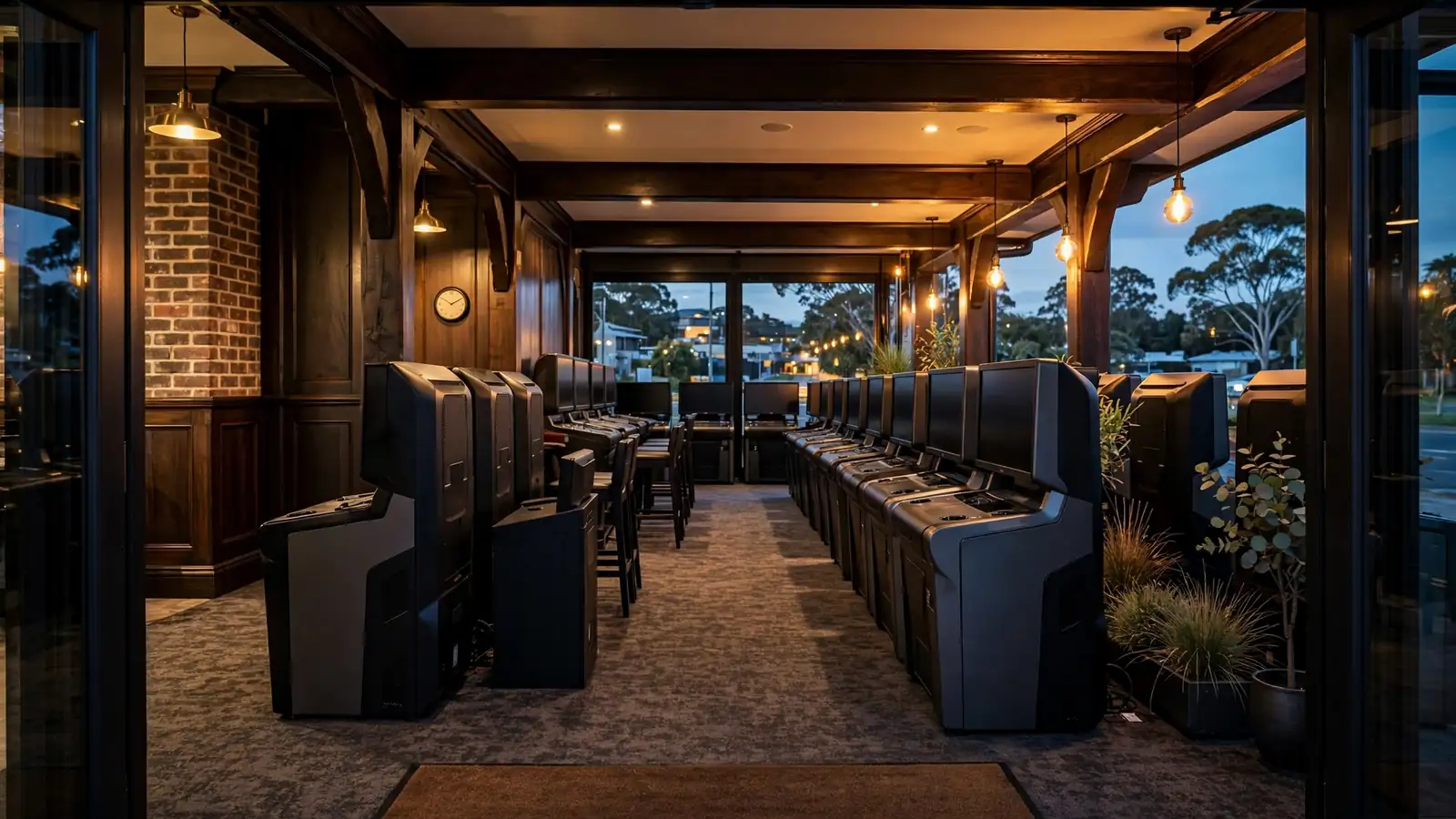
I would treat repeated listings as repetition, not corroboration. Several sites can inherit the same outdated detail. A current venue notice is more useful than a cluster of copied directory entries, and a confirmation made close to the intended visit is more dependable than an old cached page.
For Sydney, there is no single schedule that can be applied to every venue. Opening information has to be checked at the individual premises, and the wording needs to match the purpose: venue hours are not automatically pokies hours. That is the whole test. A claim of round-the-clock access should rest on an explicit, current statement about the gaming area—not an assumption drawn from a venue’s name, a search result, or the words “open 24 hours.”
Pokies in the Sydney CBD: Clubs and Local Claims
A claim that a club in the Sydney CBD has pokies is a venue-specific claim, not something established by the word “club” or by a venue’s address. I have learned to separate those details: a listing can identify a place, while saying nothing reliable about what is available inside. Nor does “best” mean much without a stated measure. A search result or promotional description is not a ranking backed by comparable information.
That distinction matters because club names and local descriptions can make a venue sound more specific than the evidence warrants. “CBD pokies” may refer to a particular venue, a general area, or simply wording used in a listing. Those are different things. A directory can help narrow down places to investigate, but it cannot turn an unconfirmed claim about machines into a confirmed one.
There is, however, a practical detail about venue operations worth noting. A report published by regionriverina.com.au says venues will be required to keep a gambling incident register. The register is intended to record occurrences, including situations where a patron’s behaviour indicates they may be at risk of, or affected by, gambling harm. That is more concrete than a broad promise that a venue takes responsible gambling seriously: it describes a record of specific incidents, not a general impression.
The register does not tell anyone which CBD club has pokies, how many machines it has, or whether a particular claim about a venue is accurate. It concerns how incidents are documented. Different question.
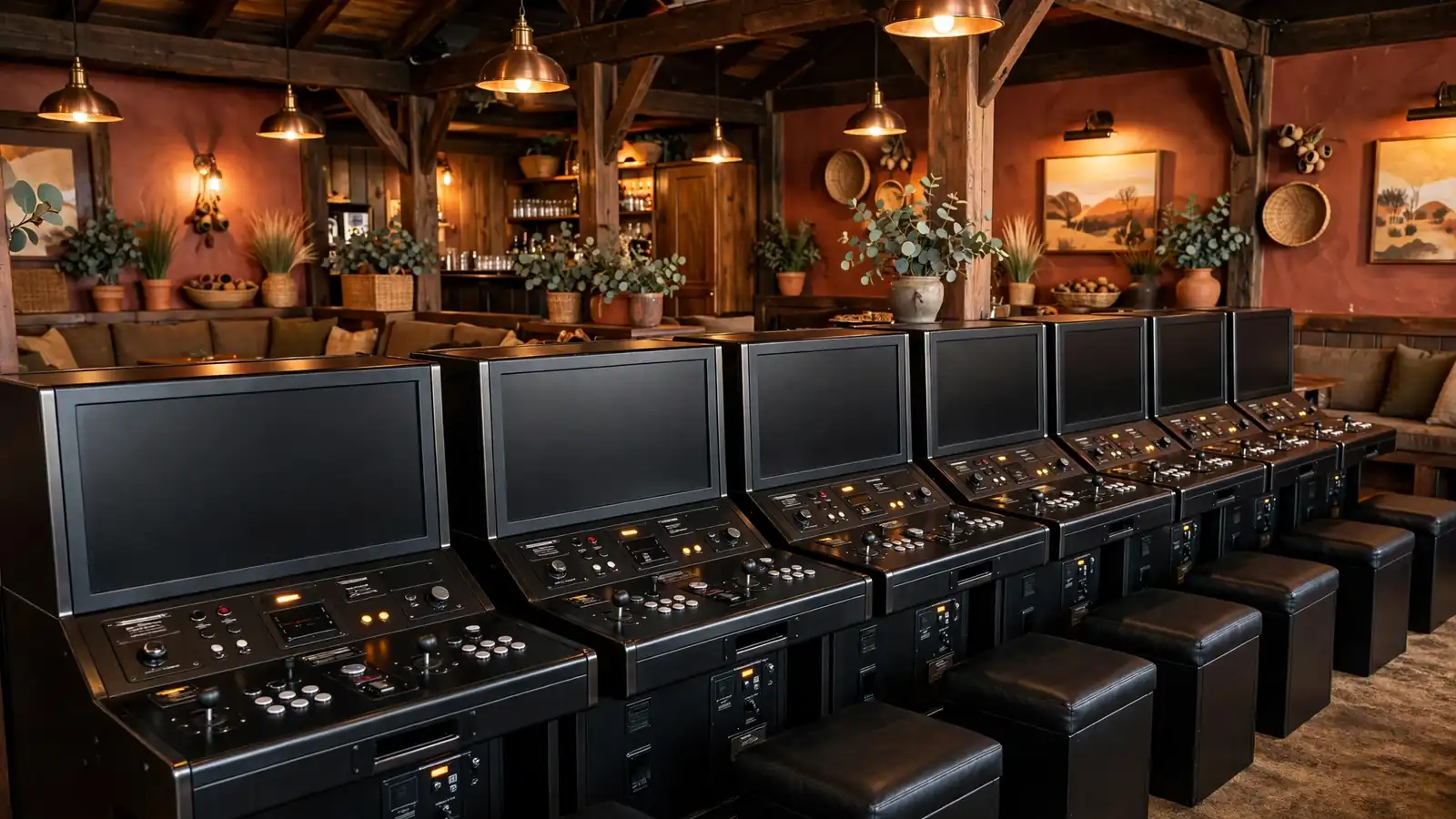
Self-exclusion is another phrase that can appear alongside local venue information, but it should not be treated as proof that a particular club offers a particular process. BetStop applies to Australian-licensed operators; it does not bind offshore sites. For a land-based venue, a claim about its own exclusion arrangements needs to be checked with that venue rather than inferred from a general reference to self-exclusion.
So the sensible reading of a CBD club listing is narrow: it may point to a place worth checking, but it is not a verified catalogue of pokies or a measure of quality. Local wording is not evidence.
Sydney Searches, Parkes Results, and the Limits of the Evidence
A broad request for pokies in Sydney can produce results that pair the city name with Parkes. That pairing is not, by itself, a reliable statement about geography. Parkes may be a place name or part of a venue name; without clear context, the words do not establish that the result concerns a Sydney suburb, or even a particular venue.
I have seen this kind of ambiguity distort a shortlist. A place name in a heading can look like a location, while a nearby reference to Sydney makes the connection seem stronger than it is. The practical distinction is between a result that mentions both terms and a result that identifies an address and confirms what is available there. Those are not interchangeable.
The same caution applies to labels such as “best pokies in Sydney”. A page title or snippet can describe what a page is about; it does not verify a local ranking, the presence of pokies at a named property, or the property’s location. Until those details are independently clear, treating the wording as a recommendation goes further than the evidence allows.
There is also a separate legal boundary around online gambling. The Australian Communications and Media Authority (ACMA) enforces the Interactive Gambling Act 2001. That regulatory role concerns the law governing interactive gambling services; it does not turn a place-name match into confirmation of a land-based venue or its machines.
For Parkes-related results, the useful check is basic: establish which Parkes is meant, whether the page identifies an actual address, and whether its claims are about a local venue rather than a broader region or a similarly named business. If those details are absent, the honest conclusion is limited. A name has appeared alongside Sydney. No more than that.
Are online pokies legal for Australian players?
Australians are not criminally liable simply for playing on an offshore site that accepts them. However, offering real-money online pokies to people in Australia without a domestic licence is illegal, and no Australian-licensed online casinos exist.
Can casinos change the RTP of their games?
Yes. Some game providers let casinos choose between different RTP settings for the same pokie, so its return percentage can vary between casinos.
What is the cost-benefit calculation of casino promotions?
Check the wagering requirement and calculate the total turnover needed before withdrawing winnings. For example, a $500 bonus at 40x requires $20,000 in bets; a 35x requirement on a $500 deposit plus a $500 bonus requires $35,000.
What is the legal age for online gambling in Australia?
You must be at least 18 years old to gamble online in Australia.
Created by the ”Malina Casino” editorial team.