Melbourne Casino Stays: What to Check Before Booking
 Available in AU
Room categories, booking terms and access conditions can differ, so verify each part of a casino stay separately.
- A Casino Stay: What to Check Before Booking
- Poker Rooms and Tournaments: Confirm the Details First
- Online Casino Searches and the Australian Legal Position
- Accommodation Beyond the Casino Hotel
- Contact, Bars and Event Enquiries
- Breakfast, Buffet Searches and Casino Jobs
- Opening Hours, Events and Venue Changes
- Restaurant Searches: Verify What Is Actually Available
- Spa Searches, Address and Dress-Code Checks
- Food-Court and Pool Searches
A Casino Stay: What to Check Before Booking
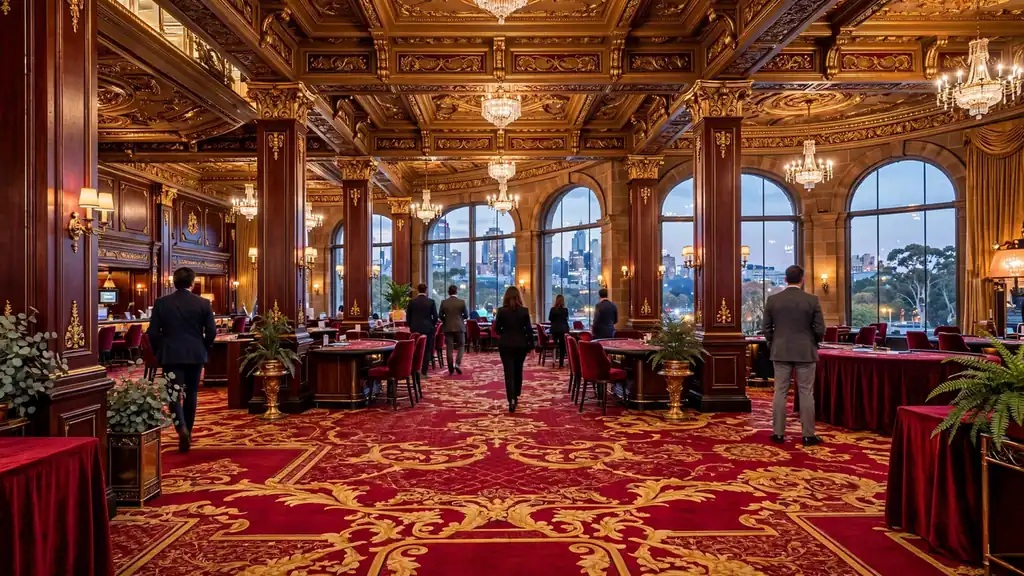
A hotel stay attached to a casino can look straightforward in a booking headline: room, venue and a short walk between them. I would separate those claims before comparing options. “Stay and play” is a sales phrase, not a description of what a booking includes. The room, any added benefit and access to casino facilities can be governed by different conditions.
Start with the room details shown for the exact dates. Check the room category, occupancy, bedding and any stated inclusions rather than relying on a general property description. Photos can show a representative room, not necessarily the category selected. If a feature matters to the stay, it should be written into the room description or confirmed directly before payment. I have seen how small wording differences shape expectations: “available” does not always mean included.
Then read the price and cancellation terms together. A prominent nightly rate may not describe the final amount due, and a deal can come with restrictions that matter more than its headline. Confirm which dates the offer covers, whether the booking can be changed or cancelled, when payment is taken and whether any additional charges are disclosed during checkout. Keep the confirmation and the terms attached to the specific reservation. A banner alone is not a booking promise.
Choosing a casino for Melbourne means considering practical details as well as the overall fit for your preferences. This shortlist highlights the specific licensing, deposit, and payout information available for each operator.
Payout speed: crypto 30-120 minutes, fiat 24-72 hours · Min. deposit: A$30 MrPacho lists a A$30 minimum deposit. Its stated payout times are 30–120 minutes for crypto and 24–72 hours for fiat.
License: Curacao eGaming (Hollycorn N.V., since 2017) · Min. deposit: A$20-30 (depends on the offer) Playfina Casino is licensed by Curacao eGaming under Hollycorn N.V., with the license noted as dating from 2017. Its minimum deposit is A$20–30, depending on the offer.
License: Curacao Gaming Control Board OGL/2023/174/0082 (Dama N.V.) SpinsUp holds a Curacao Gaming Control Board license, OGL/2023/174/0082, under Dama N.V.
License: Curacao Gaming Control Board JustCasino is licensed by the Curacao Gaming Control Board.
License: Curacao eGaming OGL/2024/923/0383 (Antillephone N.V.) · Min. deposit: A$30 WinSpirit Casino holds a Curacao eGaming license, OGL/2024/923/0383, under Antillephone N.V. Its minimum deposit is A$30.
License: Curacao eGaming (Roby Games Ltd) Roby Casino is licensed by Curacao eGaming under Roby Games Ltd.
License: Curacao Gaming Control Board (TechSolutions Group N.V.) Bizzo Casino is licensed by the Curacao Gaming Control Board under TechSolutions Group N.V.
License: Curacao · Min. deposit: A$20 (POLi) Lucky Dreams is listed as licensed in Curacao. Its minimum deposit is A$20 via POLi.
License: Curacao · Payout speed: crypto 30-60 minutes, fiat 1-5 days · Min. deposit: A$10 Wild Tokyo lists a A$10 minimum deposit. Its stated payout times are 30–60 minutes for crypto and 1–5 days for fiat, and it is listed as licensed in Curacao.
License: Curacao – Antillephone N.V. (Versus Odds B.V.) · Min. deposit: EUR 20 Thor Casino is licensed in Curacao by Antillephone N.V. under Versus Odds B.V. Its listed minimum deposit is EUR 20.
The phrase “casino hotel deal” can refer to a room discount, a package or a promotion with separate eligibility conditions. Those are not interchangeable. Look for the exact benefit, how it is applied and whether it depends on a particular room type or booking channel. If the wording leaves the benefit unclear, ask the hotel to confirm it in writing before making a non-refundable choice. A deal that cannot be explained plainly is difficult to compare.
For a Melbourne casino hotel, location is only one part of the decision. Confirm the property name and address on the booking page, and check that the reservation is for the hotel intended rather than a nearby property using similar wording. The description should make clear whether the casino is within the same complex or whether reaching it involves going outside. I would not infer a direct indoor connection from a photograph or a promotional phrase.
Timing deserves its own check. A hotel reservation does not establish that the casino is open at the time a guest plans to visit, nor that every part of the venue operates on the same schedule. Current casino hours should be checked with the venue close to the visit, especially when arrival or departure timing is central to the plan. Hours can change; a search result or an old booking page may not reflect the current position.

Booking directly and using a third-party platform can present different cancellation processes and support channels. Compare the terms actually shown at checkout, not just the headline rate. Note who is responsible for amendments, where confirmation messages will come from and what evidence is needed if a booking detail is disputed. When the room description and the payment terms appear on separate screens, save both.
Finally, avoid treating proximity as proof of convenience or assuming that a room booking includes casino access or any other service. Confirm the practical details that affect the stay before paying, then retain the written response with the reservation. That is less glamorous than a package headline. It is also clearer.
Poker Rooms and Tournaments: Confirm the Details First
A search for poker at a Melbourne casino can mean several different things: a dedicated poker room, a scheduled tournament, or simply a question about whether poker is offered at the venue. Those are not interchangeable. A casino’s general gaming operations being open does not establish that a poker room is operating or that a tournament is taking place.
I have seen how easily a broad venue listing can be read as a promise of a specific game. It may describe the property as a casino without confirming poker facilities, current tables, tournament dates or entry arrangements. The useful distinction is between a service the venue offers in principle and one available on the day in question. Confirm the latter before making plans.
Attention: A general venue listing confirming a casino is open does not guarantee that the poker room is operating or that a specific tournament is taking place.
Tournament information needs particular care. A past event listing does not prove that the same event is running now; a recurring label does not establish the next date, format, registration process or whether places remain. Those details can change. The venue’s current, official information is the appropriate reference, rather than an old result copied into a directory or an undated social post.
Separate the room from the event
A poker room and a poker tournament answer different questions. A room listing may refer to a dedicated area, but it does not by itself confirm which games are running, when tables are available, or whether casual play is possible. A tournament notice, on the other hand, may describe a particular event without confirming general poker availability outside that event.
Before relying on either description, check that the information is current and applies to the Melbourne venue intended. Confirm the date and time, registration status, eligibility and any stated entry conditions directly through an official venue channel. If a detail is not stated, it is safer to treat it as unconfirmed than to infer it from a previous event.
The distinction matters for planning. Travelling for a tournament that has already ended is a different problem from arriving when a room is not operating. A page that says “poker” but supplies no current event information may still be useful as a starting point, not as confirmation. Promotional wording is not a schedule.
“Rooms” can mean different things
In venue searches, “casino rooms” may refer to hotel accommodation, while “poker room” means a gaming area. The wording alone does not settle the intention. For a poker visit, look for information explicitly about poker rather than assuming that hotel-room pages describe gaming facilities. Accommodation details belong to a separate booking decision.
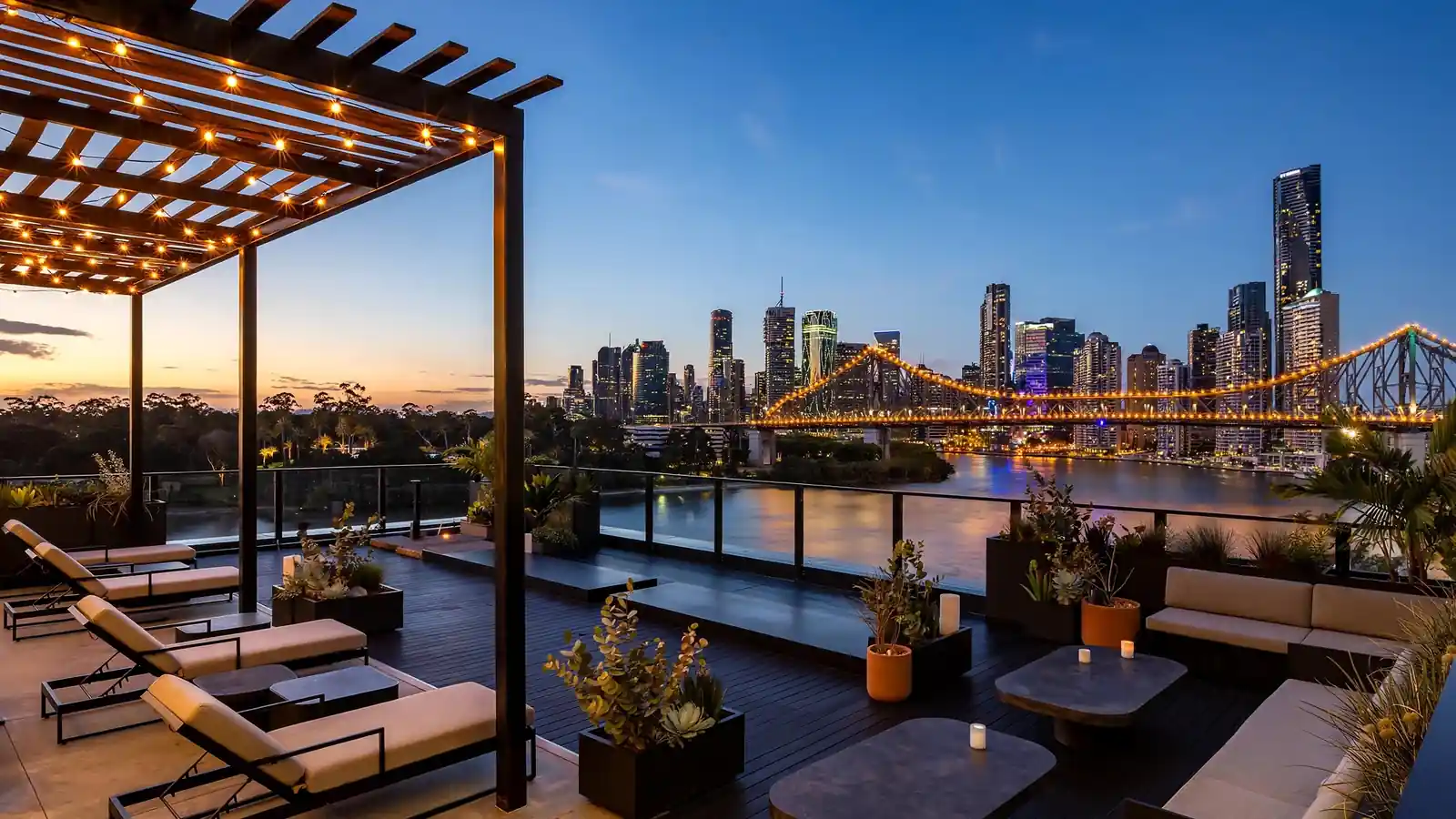
Likewise, searching whether the casino is open today does not settle whether poker is available today. Venue operating status and the availability of a particular game or event are separate checks. A sports bar listing is also not evidence of poker facilities; it concerns a different service and should be confirmed on its own terms.
I would treat an event calendar as a snapshot, not a standing commitment. If a schedule lacks a current date, or if registration instructions are unclear, the uncertainty is operational—not a detail to fill in by guesswork. Confirm the event and the specific poker arrangements with the venue before setting out. A little precision prevents a wasted trip.
Online Casino Searches and the Australian Legal Position
A casino visit in Melbourne and an online casino are not the same proposition. I separate them because the language around “online” can make a prohibited service sound like an ordinary extension of a physical venue. Under the Interactive Gambling Act 2001, operators must not provide real-money online casino games to people in Australia. That includes pokies, blackjack and roulette. An Australian-run operator cannot lawfully offer those services to players here.
The legal focus is on the service provider. Offshore platforms may present themselves as available to Australians, but they are not regulated under Australian law. That leaves users without the protections and oversight attached to a lawful local provider, and can make it difficult to resolve a dispute or recover funds if an operator fails. A familiar brand, a polished website or a game that loads does not establish that the service is authorised in Australia.
Legal Warning
Under the Interactive Gambling Act 2001, it is prohibited for operators to provide real-money online casino games to people in Australia.
That distinction matters when the same venue name appears alongside requests about online play, bingo, dining or parking. The physical casino and its on-site services are one subject; remote gambling is another. A Melbourne venue’s existence does not make an online casino version lawful, nor does a result bearing the venue’s name confirm that it is an official service. I treat those as separate checks, not interchangeable descriptions.
Access can also depend on location. Online platforms and software providers may use an internet connection’s IP address to estimate where a player is located. If a game is blocked for that region, it may not appear in the lobby when accessed from an Australian IP address. A game that is visible elsewhere can therefore be absent here; in some cases, a region restriction may also prevent it from loading. The missing game is not proof that the catalogue is broken or that a different route should be used.
A VPN can make an internet connection appear to come from another country, but using one to reach region-blocked pokies sites is against the operator’s terms of service and may lead to account suspension. It is not a lawful-workaround recommendation. The location check is part of the platform’s access controls, and changing the apparent location does not change the Australian legal position.
The word “licensed” needs care in this context. An offshore gambling licence is not an Australian authorisation to offer online casino games here. Offshore services are not regulated under Australian law, even where the operator claims oversight elsewhere. That distinction is easy to blur in promotional copy. It matters.
When I assess a page that combines Melbourne casino information with online play, I look for a clear separation between the physical venue and any remote service. Claims that an offshore platform is “safe” or “approved” need more than a foreign licence badge to support them. And a game lobby’s contents can change with location, so an online list is not a reliable guide to what is available to an Australian user.
For someone looking for a casino in Melbourne, the practical takeaway is straightforward: information about visiting a venue does not validate online gambling services using its name. The Interactive Gambling Act governs the provision of online casino games to people in Australia. Offshore platforms remain outside Australian regulation. The boundary is clear.
Accommodation Beyond the Casino Hotel
A stay near a casino is a location decision before it is a room decision. The phrase “near the casino” can mean a short walk, a convenient public transport connection or simply an address within the same part of Melbourne. Those are not interchangeable. I compare the accommodation’s mapped position with the specific venue entrance and the route between them, rather than relying on a booking page’s distance label.
The Melbourne casino location should be checked against an official venue map or current mapping service before a room is booked. Large precincts can have several entrances, and a route that looks close on a map may not lead to the entrance needed for the planned visit. This matters more when arrival is late, mobility is limited or luggage is involved. A few minutes saved on the map can disappear if the route is indirect.
- Compare mapped positions with specific venue entrances
- Check actual walking routes and public transport stops
- Verify current parking costs and access conditions
- Rely solely on a booking page’s distance label
- Infer direct indoor connections from photographs
- Assume a lower nightly price equals a genuine saving
I also separate straight-line distance from the actual journey. Walking routes, public transport stops and road access can change how practical an address is. If driving is part of the plan, parking near the casino needs its own check: whether parking is available, where it is, what it costs and whether access conditions apply. Those details should come from current venue or parking information, not an old accommodation description.
“Casino accommodation deals” can refer to different things: a lower room price, a package, or a promotion attached to a particular booking channel. The label alone says little. I read the terms for the dates covered, cancellation conditions, payment timing, included services and any restriction on changing the reservation. A headline price is useful only when the conditions fit the actual itinerary.
For accommodation beyond the casino hotel, compare the whole trip rather than the nightly price in isolation. A cheaper room farther away may involve additional transport or parking costs; a closer address may offer no advantage if the route is awkward or the booking terms are restrictive. I would record the total expected cost and the practical travel plan side by side. Then the trade-off is visible.
Venue promotions should be treated separately from room offers. A casino promotion may have eligibility rules, dates or other conditions that do not form part of an accommodation booking. It is not a reason to assume that a nearby property is affiliated with the venue or that a package includes access to a particular service. Check the offer’s own terms and confirm the booking directly with the named provider.
Searches mentioning gaming machines or poker machines often reflect an assumption that a particular facility will be available during a stay. Accommodation listings do not confirm that. Venue services and access arrangements can change, so those details belong with current information from the venue itself, not with a hotel description.
I have seen a booking look settled on price while the less visible clauses carried the real cost: strict cancellation terms, a location that added a transport leg, or a promotion that did not match the guest’s dates. Nothing dramatic. Just avoidable friction. Compare address, route, total price and conditions before treating any Melbourne casino accommodation offer as a genuine saving.
Contact, Bars and Event Enquiries
For practical questions about a Melbourne casino, the useful starting point is the venue’s own contact information. I would check its official website for the current phone number and enquiry channels rather than rely on a number copied into an old directory or discussion thread. Contact details can change, and a listing may remain visible after it stops being monitored. If the enquiry concerns a booking, event or service, the relevant venue team is more useful than a general number where one is provided.
The same applies to a bar enquiry. A venue may have several service areas, and a broad search for a casino bar does not establish which one is open, what it serves or whether access is affected by an event. I would confirm the specific bar’s current status and any entry conditions with the venue before making plans. Promotional wording such as “lively” describes an impression, not a service guarantee. Details first.
Concert questions need a separate check. Search results and ticket listings can refer to different event spaces or dates, so the venue’s own event information and the authorised ticketing channel should be checked together. Confirm the event location, ticket arrangements and any venue-specific entry information before travelling. A concert listing alone does not establish that a particular bar or other service will be available around it.
To ensure an enquiry is routed correctly, name the specific service or event and provide the relevant date when contacting the venue.
Parking is another detail that is easy to assume and harder to correct on arrival. For the casino car park, confirm the current access point, entry arrangements, availability information and applicable terms through the venue’s official channels. A map result can help with orientation, but it may not show temporary access changes or distinguish the casino entrance from another nearby destination. I would treat a third-party map as a route aid, not as confirmation of parking conditions.
A venue map is most useful when it comes from the venue itself and is current. It can help identify the intended entrance or event area, but a saved image may not reflect changes to access or layout. If directions matter for a timed booking or event, check the map alongside the venue’s latest visitor information.
Game-specific enquiries also need direct confirmation. Searches for baccarat or craps do not prove that either game is currently offered, where it is played, or what conditions apply. Table-game availability and operating arrangements are venue-specific; the official channel is the sensible place to check before making a trip. I would avoid treating a forum post or an old review as a current schedule.
When contacting the venue, a concise question helps route the enquiry: name the service or event, give the relevant date if there is one, and ask which team can confirm the detail. That is more dependable than inferring current arrangements from a map pin, an event mention or an outdated listing. No guesswork.
Breakfast, Buffet Searches and Casino Jobs
Breakfast and buffet searches often start with an assumption: that a casino hotel, a resort, and a dining offer belong to one package. They do not necessarily. “Resort” is a broad label, not proof that breakfast is included, that a buffet operates, or that a room booking comes with dining. I learned to separate those questions before comparing offers. Labels sell a picture. Conditions decide what is actually included.
For a breakfast booking, the useful detail is the arrangement attached to the specific stay: whether breakfast is part of the rate or an optional extra, where it is served, and which dates the offer covers. A buffet breakfast is a particular service, not a synonym for any morning meal. A venue’s current booking terms are more dependable than an old listing or a photograph; menus, inclusions and service arrangements can change. If the terms do not spell out the meal clearly, the price should not be treated as covering it.
The same care applies to a casino buffet. A buffet may be searched for as if it were a standing feature of every casino resort, but the wording alone does not establish that one is operating. Before making plans around it, check the venue’s current dining information and confirm the service directly. That is a small distinction with practical consequences. “Available at the resort” can describe a general setting, not a meal included in a particular booking.
Rewards programmes add another layer. A reference to casino rewards does not, by itself, explain whether a dining offer is available, who can use it, or what conditions apply. The programme’s current terms are what matter: eligibility, exclusions and the way any offer is redeemed. Promotional language tends to foreground the benefit; the conditions define its reach. I have seen that gap cause more confusion than the headline itself.
Casino Rewards Programmes
Rewards programmes have specific terms regarding eligibility, exclusions, and redemption methods. Promotional language often highlights the benefit, but the actual conditions define who can use the offer.
Employment searches belong in a separate file. Jobs at a Melbourne casino may span different functions and employers, so a general reference to casino work is not the same as a confirmed vacancy with the venue. Current openings, role descriptions and application instructions need to come from the relevant employer’s own careers information. A copied listing can remain visible after a position has closed, or omit details that matter to an applicant. Check who is hiring, what the role involves and whether the application route is official.
There is also a useful boundary between a job search and a visit. A careers page is not a guide to dining, and a breakfast promotion says nothing about employment conditions. Keeping those decisions separate makes the information easier to verify and avoids treating a resort’s branding as evidence of a particular service or role. No assumptions.
Opening Hours, Events and Venue Changes
A search asking whether a Melbourne casino is open needs a current answer, not a remembered one. Operating status, access arrangements and public event schedules can change, and a page that was accurate when saved may no longer describe the venue. I treat a dated notice as more useful than an undated directory listing, particularly when travel plans depend on the venue being open.
The same applies to reopening claims. “Reopening” can refer to a temporary closure ending, a particular area returning to service or a broader change to the venue. Those are not interchangeable. The wording of an announcement matters: a headline may suggest a full return while the detail describes only a limited change. Until the venue’s current notices confirm what is operating, a reopening date should not be treated as a guarantee that every facility or event is available.
Events need the same careful reading. A listing can describe a scheduled performance or function without establishing that it is still proceeding, open to the public or unchanged. Dates, access conditions and cancellation updates belong to the event’s current listing, rather than an old calendar result. I would check the listing close to the planned visit and retain any booking confirmation. A name on a calendar is not the event itself.
Development brings another layer of uncertainty. The word may refer to a proposal, work in progress or a completed change, and those stages have different implications for access and the visitor experience. Plans can be revised; construction can affect routes or operating areas. A rendering or announcement is not proof that the finished venue will match it. For a Melbourne casino development update, the useful distinction is between what has been proposed, what is under way and what is confirmed as complete.
Reviews are snapshots too. A review can still help explain what someone experienced on a particular occasion, but it cannot establish today’s hours, current event programme or present operating arrangements. I read dated reviews as historical context, not live status. The distinction is small. It prevents a stale impression from becoming a plan.
Venue Status
- Treat dated notices as more reliable than undated directory listings
- Verify the specific meaning of “reopening” for each facility
- Confirm event status close to the planned visit date
- Distinguish between proposed developments and completed changes
- Use reviews for historical context rather than live status
I also separate venue operation from online gambling. Under the Interactive Gambling Act 2001, operators cannot provide real-money online casino games, including slots and table games, to people in Australia. A physical venue’s event or opening information does not change that legal position, and an online casino-style service should not be treated as an extension of a Melbourne visit.
For any decision tied to a particular date, the sensible standard is current confirmation from the venue’s own published updates. If those updates do not clearly establish that an area or event is operating as expected, the status remains uncertain. That is less dramatic than a confident claim, but more useful when plans depend on it.
Restaurant Searches: Verify What Is Actually Available
A restaurant listing is not proof that a venue is currently serving guests. Casino dining can change with operating decisions, private bookings and refurbishments, so an old directory entry or a page copied across travel sites may describe an option that has since changed. I treat the venue’s own current information as the starting point, then confirm the details that affect the visit before making plans.
The name “Melbourne casino restaurants” can cover several different expectations: a meal inside the casino complex, a restaurant associated with the venue, or somewhere nearby that happens to appear in the same results. Those are not interchangeable. A map pin may indicate proximity, not that a restaurant is operated by the casino or connected to its facilities. The distinction matters when arrival arrangements, access or booking conditions are part of the plan.
What to establish before booking
A useful listing should make clear which venue is being described and where it is located. Check the restaurant’s own page for its present status, service times, menu information and booking process. If a detail is absent or inconsistent across pages, contact the venue rather than treating a third-party listing as confirmation. A polished page can remain online after the practical details have changed.
I also separate a restaurant reservation from any assumption about the wider casino visit. A booking confirms only what its terms say; it does not establish access to other areas, parking arrangements, or a particular table. Those points need their own confirmation where they matter. “Convenient” is often the word used to smooth over several separate arrangements. Read the conditions.
Menu descriptions deserve the same care. A sample menu may not be the current one, and a photograph does not establish that a dish is available on the intended date. Dietary information should be checked directly with the restaurant, especially where the answer affects whether the booking is suitable. An online menu is a guide, not a promise.
For restaurant searches around a casino in Melbourne, location also needs a little precision. “Near” can mean a short walk on a map while still involving a different entrance, building or route. Confirm the address and the restaurant’s instructions for arrival; do not infer that a casino-branded result sits within the gaming venue itself.
I would keep a record of the confirmed booking details and any stated cancellation or arrival conditions. If plans change, the restaurant’s own process governs the reservation, not a general casino listing. That is ordinary diligence, not fussiness. Restaurant information is operational: names, menus and booking arrangements can all move. The dependable answer is the one tied to the specific venue and date, confirmed through its current channel.
Restaurant Booking
- Confirm the restaurant’s present status and service times
- Verify the exact address and arrival instructions
- Check the current menu and dietary information
- Review the specific cancellation and booking conditions
Spa Searches, Address and Dress-Code Checks
A search for a casino spa in Melbourne can suggest that a day spa is part of the venue. That suggestion is not confirmation. On-site services can change, and a spa may be operated separately from the casino or not be available at all. I treat the name of a service in a search result as a lead, not a booking detail. The venue’s current official information should establish whether a spa exists, what services it offers and how appointments are handled.
The same distinction matters for an address. “Melbourne casino” can refer to a particular venue, its hotel, an entrance or a broader precinct. Those are not necessarily interchangeable destinations. Before setting out, the current venue information should be checked for the correct street address and the entrance relevant to the planned visit. A map result may point to the precinct without resolving which door or service point is intended. Small detail. Real consequence.
Dress-code wording also needs context. A rule may differ by area, event or time, and a general description of the venue does not establish what applies to a spa, gaming floor or other space. I would look for a current, venue-specific policy and confirm it with the relevant department if the wording is unclear. An old guest comment can describe a past visit, not today’s requirement. “Smart” is not a complete rule unless the venue explains what it means.
Gaming information is another point to verify in the right place. A venue’s current pages or direct enquiry can clarify what facilities are available and any conditions for entry. A search result alone cannot confirm that a particular game or service is operating. This is especially important when planning around a specific feature rather than simply visiting the property.
Careers information belongs to a separate channel from visitor services. A venue’s official employment page is the sensible place to check current vacancies and application instructions; a general venue listing is not evidence that a role is open. Likewise, staff should be contacted through the venue’s published channels rather than relying on details copied into older directories.
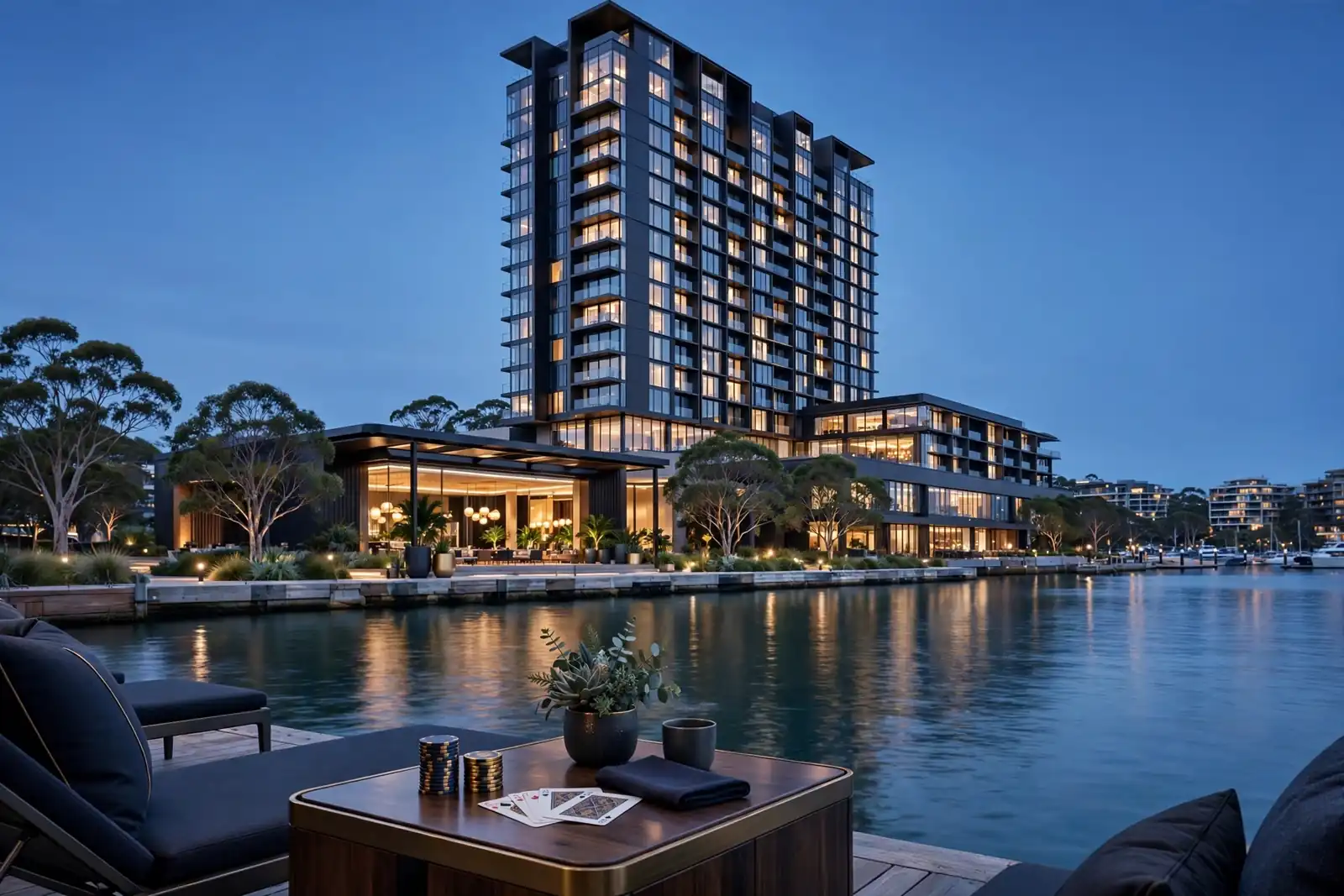
I keep the checks practical: confirm the exact venue and address, establish whether the spa service exists, then verify dress requirements for the intended area. If any detail is material to the visit, it should be confirmed close to the date. On-site information can change. No guesswork.
Food-Court and Pool Searches
Food-court and pool searches are facility checks, not a reason to assume either amenity is part of a casino visit. I have seen how a broad venue description can leave the practical question unanswered: “on-site” may refer to the wider complex, not a particular service or area.
For food, distinguish a dedicated food court from other places to eat. A venue may have several dining options without having a shared food-court space, and general references to casino food do not establish what is operating now. Before making plans, confirm the venue’s current directory and whether the area is open to visitors, rather than relying on an old listing or an image with no date. That is the useful distinction.
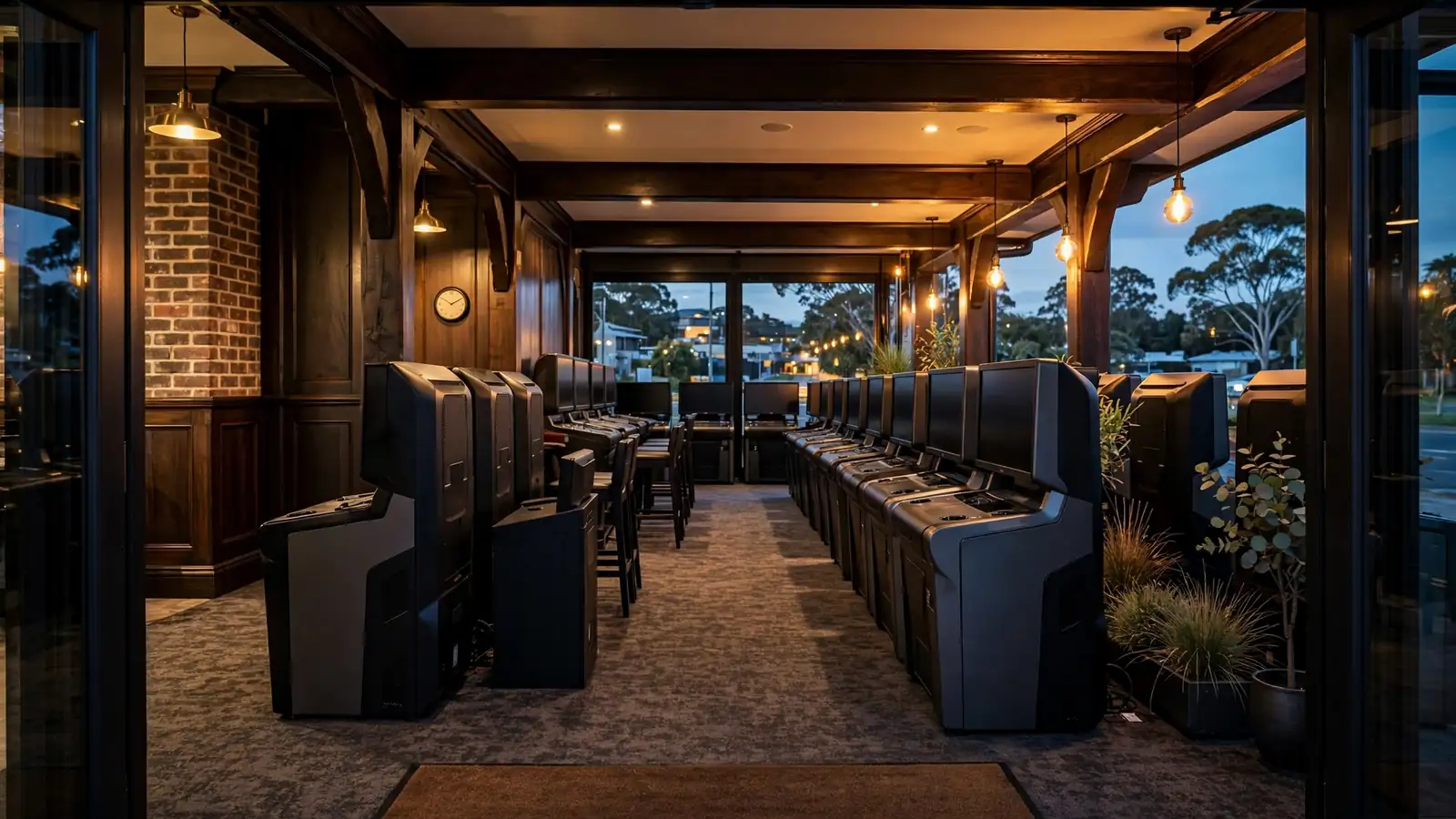
Pool searches need the same care. A pool shown in accommodation material may belong to a hotel, have access conditions, or sit outside the casino’s own facilities. A photograph alone cannot settle who can use it or whether it is currently available. Confirm the facility’s location, access rules and operating status through current venue information before treating it as part of the visit.
I would keep these checks separate from a restaurant choice. A food court is a shared casual-dining area; “food” could mean any number of services. A pool is a leisure facility, not proof of a broader resort offering. The wording in promotional material often covers the whole property, while the detail that matters is which building or operator provides the amenity.
If the information is unclear, ask the venue to identify the specific facility and any access conditions. Do not infer availability from the casino’s name, nearby accommodation or a third-party directory. Verify the detail first.
What is the legal status of offshore online casinos under Australian gambling law?
Australian-run online casinos cannot legally offer online casino games such as pokies, blackjack and roulette to players in Australia. Offshore platforms are not regulated under Australian law, and while it is technically not illegal for Australian players to use them, their legal position is a grey area.
What features should I look for when choosing an online pokie?
Check the game’s RTP and the wagering conditions attached to bonuses or free spins. Every online pokie uses an RNG, and each spin is independent, so previous results do not affect the next one.
Are online casino-style games restricted in Australia?
Yes. The Interactive Gambling Act restricts operators based in Australia from offering online pokies, blackjack and roulette to players in Australia; sports betting remains widely accessible and legal.
Published by the Malina Casino team.